
Choosing the right commercial contractor can make or break your project. Whether you're planning a new office building, expanding your manufacturing facility, or renovating your retail space, the contractor you select will directly impact your timeline, budget, and final results.
After working on commercial projects across the Four State area for years, we've seen firsthand what separates successful projects from costly disasters. The difference usually comes down to the homework done during the selection process.
Here are 10 critical factors you need to evaluate before signing that contract.
1. Verify Their Commercial Construction Experience
Not all contractors are created equal. Residential contractors might build beautiful homes, but commercial construction requires a completely different skill set. You need someone who understands commercial building codes, ADA compliance, fire safety regulations, and the unique challenges of business environments.
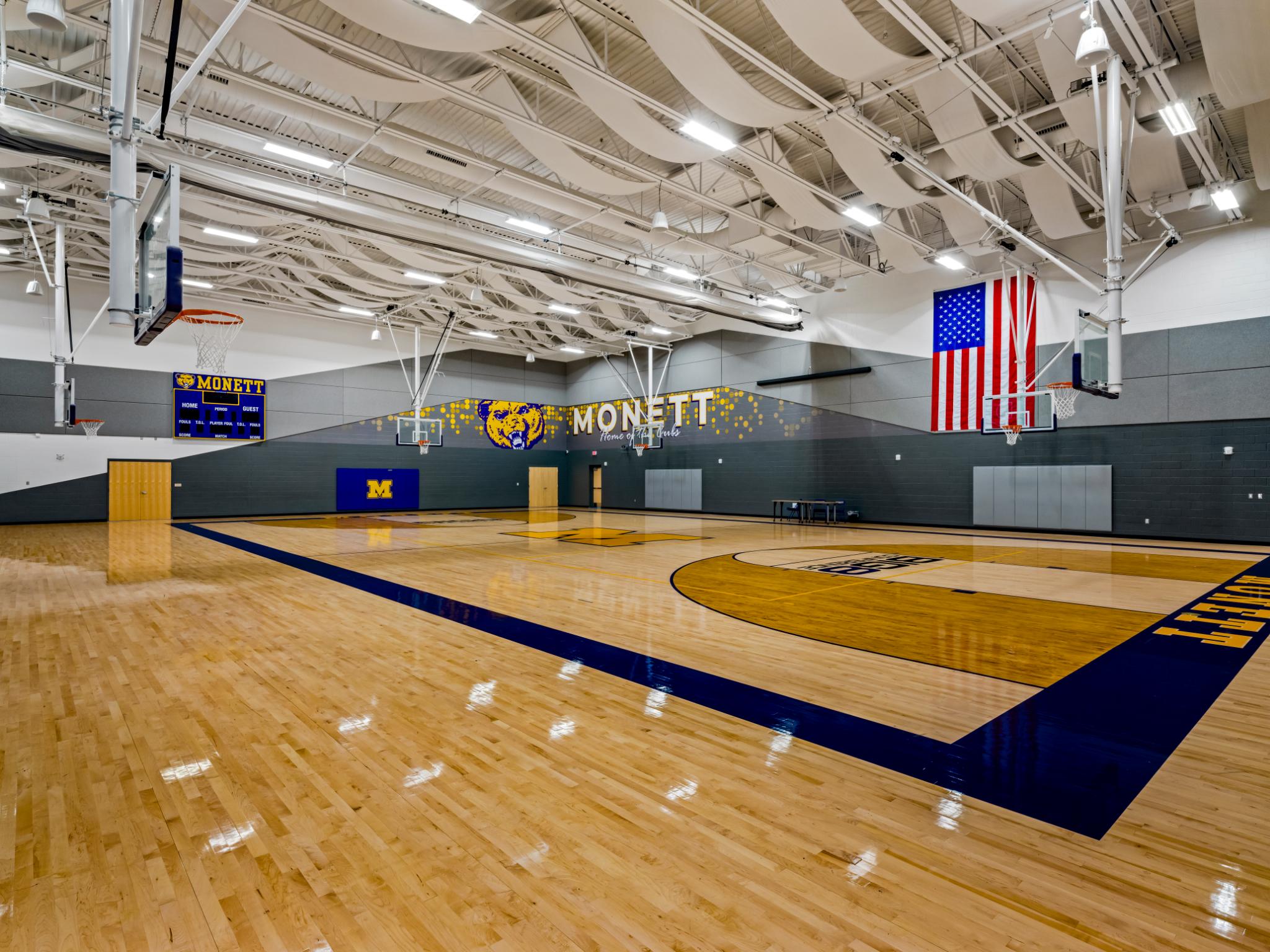
Ask potential contractors about projects similar to yours. If you're building a healthcare facility, have they worked on medical buildings before? Planning a manufacturing expansion? Look for contractors with industrial experience. The learning curve on your project isn't the time for a contractor to figure things out.
Request detailed case studies of comparable projects. A good commercial contractor will gladly share specifics about square footage, project complexity, and special requirements they've successfully handled.
2. Check Licensing, Insurance, and Bonding
This might seem obvious, but you'd be surprised how many property owners skip this step. Every legitimate commercial contractor should carry:
- Current state and local licenses
- General liability insurance (minimum $1 million)
- Workers' compensation coverage
- Commercial auto insurance
- Professional liability insurance
Bonding is equally important. A bonded contractor has been vetted by a surety company that guarantees project completion. If something goes wrong, the bond protects you from financial loss.
Don't just take their word for it. Ask for certificates of insurance and verify everything directly with their insurance company. A reputable contractor will provide this documentation without hesitation.
3. Evaluate Their Financial Stability and Longevity
Commercial projects often involve significant upfront costs and extended timelines. The last thing you want is your contractor running into financial trouble halfway through construction.
Look for warning signs like:
- Requesting large upfront payments
- Reluctance to provide financial references
- Recent liens or legal disputes
- Unusually low bids that seem too good to be true
A financially stable contractor typically has established relationships with suppliers, can secure materials at competitive prices, and won't disappear when challenges arise.
4. Review Their Safety Record
Commercial construction sites are inherently dangerous. OSHA violations, worker injuries, and safety incidents can shut down your project and create liability issues.
Ask about their safety program, training procedures, and incident rates. Request their Experience Modification Rate (EMR) – a lower EMR indicates better safety performance. Good contractors take pride in their safety records and will share this information openly.
5. Examine Past Projects and References
Any contractor can show you pretty pictures of completed projects. What matters more is talking to the people who lived through the construction process.
Contact at least three recent clients and ask specific questions:
- Did the project finish on time?
- Were there cost overruns? If so, why?
- How did the contractor handle unexpected issues?
- Would you hire them again?
Don't just settle for the references they provide. Drive by some of their completed projects. Look at the quality of work, attention to detail, and overall craftsmanship.
6. Understand Their Project Management Approach
Commercial construction involves coordinating dozens of subcontractors, managing complex schedules, and navigating countless moving pieces. Strong project management separates good contractors from great ones.
Ask about their project management systems:
- How do they track progress and communicate updates?
- What software do they use for scheduling and coordination?
- How do they handle change orders and scope modifications?
- Who will be your primary point of contact?
The best contractors use modern project management tools and maintain clear communication throughout the entire process.
7. Compare Multiple Bids (But Don't Choose Based on Price Alone)
Getting multiple bids gives you valuable market insight and helps identify potential issues. However, the lowest bid isn't always the best value.
Extremely low bids often indicate:
- Inexperienced contractors who underestimate costs
- Plans to cut corners on materials or workmanship
- Hidden costs that will emerge later (CHANGE ORDERS!)
- Financial desperation
Focus on value rather than just price. A slightly higher bid from an experienced contractor often saves money in the long run through better quality work, fewer delays, and reduced change orders.
8. Assess Their Communication Skills
Clear, consistent communication prevents misunderstandings and keeps projects on track. During your initial meetings, evaluate how well the contractor:
- Explains technical concepts in terms you understand
- Responds to your questions and concerns
- Provides detailed written proposals
- Returns calls and emails promptly
Poor communication during the selection process usually gets worse once construction begins.
9. Verify Their Local Knowledge and Relationships
Commercial construction often requires navigating local building codes, permit processes, and inspection procedures. Contractors familiar with your area understand these requirements and have established relationships with local officials.
Local contractors also tend to:
- Respond faster to issues or emergencies
- Better understand regional construction challenges
- Have established relationships with reliable subcontractors
- Care more about their local reputation
10. Trust Your Instincts
After evaluating all the technical factors, step back and consider your gut feeling. Do you feel comfortable with this contractor? Do they seem genuinely interested in your project's success?
Red flags to watch for:
- High-pressure sales tactics
- Reluctance to provide references or documentation
- Vague or evasive answers to direct questions
- Lack of enthusiasm for your project
- Poor organization or professionalism
The right contractor should inspire confidence, demonstrate expertise, and align with your vision for the project.
Making the Final Decision
Selecting a commercial contractor is one of the most important decisions you'll make for your project. Take the time to thoroughly evaluate each candidate against these ten criteria.
Remember, the goal isn't just to find someone who can build your project – it's to find a partner who will help you achieve your business objectives while maintaining the highest standards of quality and professionalism.
At RE Smith Construction, we understand that every commercial project represents a significant investment in your business's future. That's why we're committed to transparency, quality craftsmanship, and clear communication throughout every phase of construction.
Ready to discuss your next commercial project? We'd love to show you how our approach to commercial construction can help bring your vision to life.